Announcing the BC Young Optometrist of the Year: Dr. Sophia Capo. Read More
What Visual Field Testing Shows About Your Vision
Your visual field includes everything you can see while looking straight ahead. This includes central vision and the wide area of peripheral vision around it. Even small changes in these areas can affect how you read, move through space, or notice objects around you.
Visual field testing creates a detailed map of your vision. It shows which areas of your field of view respond normally and where blind spots or reduced sensitivity may exist. Many people do not notice small gaps in their visual field right away. Testing allows doctors to detect these changes early.
At A B See Optometry and Vision Therapy, visual field testing often takes place during a comprehensive vision evaluation or neurological vision assessment. The results help our team understand how well the eyes and brain communicate while processing visual information.
Central Vision vs Peripheral Vision
Central vision allows you to see details directly in front of you. This area supports activities such as reading, recognizing faces, and focusing on objects.
Peripheral vision surrounds the central field and allows you to detect movement, notice objects to the side, and move safely through your environment. Strong peripheral awareness helps with everyday activities such as driving, walking through crowded areas, and participating in sports.
Visual field testing measures both areas to determine how well the entire visual system functions.
Why Doctors Use Visual Field Testing
Doctors recommend visual field testing when they want to measure how well your eyes detect visual signals across your entire field of view. This test can reveal changes that do not appear during a basic vision screening.
Identifying Subtle Vision Changes
Some vision problems develop gradually. The brain often adapts to these changes, which means patients may not notice missing or reduced areas of vision right away.
Visual field testing helps doctors detect these subtle changes before they affect daily activities.
Supporting Neurological Vision Evaluations
Vision depends on constant communication between the eyes and the brain. When neurological events or conditions affect this communication, visual field changes may occur.
Doctors often include visual field testing when evaluating patients with neurological symptoms or functional vision challenges.
Monitoring Vision Therapy Progress
Children and adults participating in vision therapy may also complete visual field testing. The results help doctors measure visual awareness, track progress, and adjust therapy programs when needed.
This information allows the care team to tailor treatment plans that support stronger visual performance.
What to Expect During the Test
Many patients feel more comfortable once they know what the testing process looks like. Visual field testing is simple, painless, and requires only a few minutes to complete.
A Comfortable Testing Setup
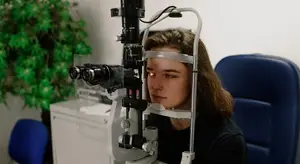
You will sit in front of a specialized testing device and place your chin on a support that helps keep your head steady. The machine will display a small point of light in the center.
You will focus your eyes on that center point throughout the test.
Responding to Light Signals
Small lights will appear briefly in different areas around your vision. Each time you notice a light, you press a handheld button. The machine records where the lights appear and which ones you detect.
The test measures how sensitive different parts of your visual field are to light.
Testing One Eye at a Time
The test usually takes several minutes for each eye. No eye drops or special preparation are required.
Our team provides clear instructions and encouragement throughout the process. Children and first-time patients often feel reassured once they see how straightforward the test is.
The results create a visual map that helps doctors understand how your eyes and brain process visual information.
What Visual Field Testing Can Detect
Visual field testing provides important clues about how well the eyes and brain work together. When certain areas of the visual field respond differently than expected, it may indicate changes in eye health or neurological function.
Doctors use the results to identify patterns that point to specific concerns. These patterns help guide further testing or treatment if needed.
Blind Spots in the Visual Field
Everyone has a natural blind spot where the optic nerve connects to the eye. Normally, the brain fills in this area so you do not notice it.
Visual field testing can detect additional blind spots or areas of reduced vision. These changes may appear before a patient notices symptoms during daily activities.
Early detection allows the eye care team to monitor vision carefully and respond quickly if changes occur.
Signs of Nerve or Brain Communication Issues
Your eyes gather visual information, but the brain processes what you see. This means that many vision problems relate to how signals travel along the visual pathway between the eyes and the brain.
Visual field testing may reveal changes associated with:
- Neurological conditions
- Concussions or traumatic brain injuries
- Visual processing difficulties
- Functional vision problems
These results help doctors determine whether further neurological evaluation or specialized care may help.
Vision Challenges That Affect Daily Activities
Changes in the visual field can influence everyday tasks in ways patients might not expect.
For example, a reduced field of vision can make it harder to:
- Notice objects to the side
- Track movement during sports
- Navigate busy environments
- Read smoothly across a page
Children receiving vision therapy may experience these types of challenges in the classroom. Visual field testing helps doctors identify the source of the difficulty and develop targeted solutions.
How the Results Help Guide Vision Care
The goal of visual field testing is not only to detect problems but also to guide effective care. The results provide a detailed map of visual awareness, which helps doctors develop personalized treatment plans.
Supporting Accurate Diagnosis
When patients report symptoms such as missing areas of vision, headaches during visual tasks, or trouble with peripheral awareness, doctors need clear data to understand what may be happening.
Visual field testing gives the care team objective information about how the visual system responds. This information often works alongside other diagnostic tests to provide a complete picture of visual health.
Guiding Vision Therapy Programs
Patients participating in vision therapy often benefit from visual field testing. The results help doctors measure visual awareness and determine which areas of visual function need improvement.
Vision therapy exercises can strengthen the skills involved in scanning, awareness, and visual processing. Repeat testing may show improvements as therapy progresses.
Monitoring Changes Over Time
Doctors may repeat visual field testing during follow-up visits. Comparing results over time helps the care team track stability, improvement, or new changes in vision.
This ongoing monitoring supports long-term eye health and ensures that treatment plans remain effective.
Support Your Vision With Comprehensive Care
If you have noticed changes in your vision, difficulty noticing objects around you, or visual symptoms related to neurological concerns, a comprehensive evaluation can help identify the cause.
At A B See Optometry and Vision Therapy, our team provides thorough eye exams and advanced diagnostic testing to support patients of all ages. From children participating in vision therapy to adults experiencing neurological vision symptoms, we work closely with every patient to understand their visual needs.
Our clinic in Kelowna offers comprehensive eye care services, including medical optometry, neuro-optometry, vision therapy, sports vision therapy, and myopia control. We also provide expert guidance when selecting glasses or contact lenses through our experienced optical team.
If you have questions about visual field testing or other vision concerns, contact A B See Optometry and Vision Therapy today to request an appointment. Early evaluation helps protect your vision and supports long-term visual health.